
Meguiar’s Ultimate Iron Remover is the top pick for most buyers. For the best iron remover car results, its main strength is broad versatility: the spray targets embedded iron particles on painted panels and wheels, then changes color as it reacts.
This guide is for drivers preparing a car for polishing, ceramic coating, or a deeper wash, plus anyone fighting stubborn brake-dust specks. For this type of chemical cleaner, pay closest attention to bottle size, expected coverage, surface compatibility, dwell time, and rinsing needs. A strong formula helps only when it fits your vehicle’s finish and cleaning routine. The seven picks below are ranked by practical value, with clear reasons and honest drawbacks for each, so you can choose the right decontamination spray without paying for features you will not use.
Quick Comparison
| # | Product | Best For | Price | |
|---|---|---|---|---|
| 1 | Meguiar's Ultimate Iron Remover | Best for routine paint decontamination | ~$12 | View → |
| 2 | Adam's Iron Remover Spray | Best for brake dust removal | ~$26 | View → |
| 3 | Adam's Iron Remover Spray | Best for detailing beginners | ~$13 | View → |
| 4 | Adam's Iron Remover Spray | Best for large vehicle maintenance | ~$68 | View → |
| 5 | CARPRO IronX Iron Remover | Best for stubborn iron deposits | ~$41 | View → |
| 6 | CARPRO IronX Iron Remover | Best for professional detailing workflows | ~$36 | View → |
| 7 | Turtle Wax Hybrid Solutions Iron Remover & Wheel Cleaner | Best for wheels and paint cleaning | ~$15 | View → |
7 Top Iron Removers for Cars
This ranked list counts down from practical options to the top pick, with cleaning strength, safety, and value guiding each placement.
7. Turtle Wax Hybrid Solutions Iron Remover & Wheel Cleaner
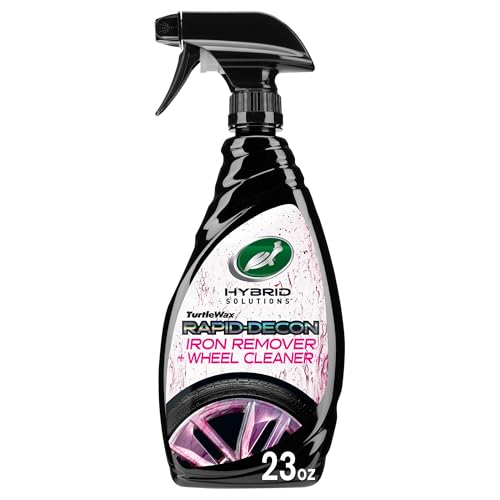
Best for: DIY wheel and paint decontamination
Turtle Wax Hybrid Solutions Iron Remover & Wheel Cleaner comes in a 23 oz bottle as a single pack. It targets embedded iron particles, brake dust, and road grime that a standard car wash may leave behind. The pH-neutral, acid-free formula is listed for painted panels, clear coats, polished metal, chrome, glass, and all wheel types. That broad surface range makes it useful for more than routine wheel cleaning.
The formula starts clear, then turns purple when it contacts iron or rust. This gives you a visible sign that the product is reacting with contamination. It also aims to reduce the sharp chemical odor common with iron removers. Heavy scrubbing should not be necessary for many jobs, which can make surface prep faster before applying wax, polish, or a coating. At around $15, the bottle costs less than many larger detailing products, but its 23 oz size may go quickly on several vehicles.
Pros
- pH-neutral and acid-free for use on wheels, paint, chrome, glass, and polished metal.
- Purple color change helps show where iron contamination is present.
- Odor-control technology may make application more comfortable than standard iron removers.
Cons
- A 23 oz bottle offers limited coverage for multiple vehicles or heavily contaminated wheels.
- It removes iron particles and grime, but it does not replace a full wash or paint-cleaning process.
6. CARPRO IronX Iron Remover

Best for: Drivers removing brake-dust fallout
CARPRO IronX is a 1-liter, or 33.8-ounce, iron remover for wheels and exterior surfaces. Its acid-free, pH-balanced formula targets ferrous particles from hot brake dust and airborne iron compounds. The included sprayer makes it practical for treating an entire vehicle, not just a few visible spots. Removing these deposits can help limit rust staining and premature clear-coat damage.
The formula is listed as safe for wheel finishes, gloss paint, clear coat, polished metal, chrome, and glass. Its cherry scent is a welcome change from harsher-smelling chemical cleaners, though the product still needs careful handling and thorough rinsing. Professional detailers and car enthusiasts use IronX for paint and wheel decontamination. At around $36, the 1-liter bottle costs more upfront than smaller specialty cleaners, but it offers enough solution for repeated vehicle care.
Pros
- Acid-free, pH-balanced formula is suitable for several exterior materials.
- 33.8-ounce capacity covers wheels and larger painted panels.
- Sprayer supports direct application to brake dust and iron deposits.
Cons
- Around $36, it costs more upfront than many small bottles.
- Heavy or aged contamination may need extra dwell time, agitation, or repeat applications.
5. CARPRO IronX Iron Remover

Best for: Removing brake-dust specks from daily drivers
CARPRO IronX is a 500 mL, or 17-ounce, iron remover for vehicle decontamination. Its acid-free, pH-balanced formula targets ferrous particles from brake dust and airborne compounds before they contribute to rust spots or clear-coat damage. The included sprayer supports direct application to problem areas, including wheels, paint, chrome, polished metal, and glass.
Its broad surface compatibility makes it useful during a full wash, not just for wheel cleaning. It can also help prepare paint before polishing, waxing, or applying a coating. Around $41, it costs more than a basic wheel cleaner, but the formula covers several exterior materials in one bottle. The main limitation is its focus. IronX addresses iron deposits, while tar, tree sap, road film, and other contaminants need separate products. A 500 mL bottle may also run low during repeated whole-vehicle treatments or on several large vehicles.
Pros
- Acid-free, pH-balanced formula targets ferrous contamination without relying on an acidic wheel cleaner.
- Suitable for wheels, gloss paint, clear coat, polished metal, chrome, and glass.
- Helps address brake-dust deposits before they contribute to rust spots and premature paint damage.
Cons
- Around $41, it costs more than many standard wheel and exterior cleaners.
- It will not remove every contaminant, so tar, sap, and heavy road film require other cleaners.
4. Adam’s Iron Remover Spray

Best for: Frequent vehicle decontamination
Adam’s Iron Remover is a ready-to-use, pH-neutral spray for removing iron particles, brake dust, and metallic fallout. The 1-gallon container suits detailers or owners cleaning several vehicles. It works on clear coat, single-stage paint, wheels, and other metal surfaces, including motorcycles, RVs, and boats.
The formula changes red as it reacts with embedded iron, giving you a visible sign that the cleaner is working. It is designed to act faster and produce less odor than earlier versions. Spray it on, allow it to react, then rinse it away before using a clay bar, wax, or ceramic coating. That makes it useful as a surface-preparation step, not a complete wash replacement. Around $68, the gallon size costs more upfront than smaller bottles, but it may make sense for regular detailing.
Pros
- Ready-to-use formula requires no measuring or dilution.
- Red color shows where iron contamination is reacting.
- Suitable for paint, clear coat, wheels, and several vehicle types.
Cons
- A 1-gallon jug takes up storage space and may be excessive for occasional users.
- It removes iron fallout, but heavy grime still requires washing and rinsing.
3. Adam’s Iron Remover Spray

Best for: DIY detailers removing bonded brake dust
Adam’s Iron Remover is a 16-ounce spray for loosening iron particles from painted vehicle surfaces. These contaminants can come from brake dust and road debris, then settle into clear coat, wheels, motorcycles, RVs, and boats. Spray it after rinsing and before using a clay bar, wax, or regular wash. The formula is acid-free and pH neutral, so it suits clear coat and single-stage paint, including ceramic-coated finishes.
Its orange liquid changes to purple as it reacts with iron deposits, giving you a visible cue to rinse the area. The citrus scent should be easier to tolerate than the harsh odor found in some fallout removers. At around $13, the 16-ounce bottle costs less than many specialty detailing products. Still, it is not a complete replacement for mechanical decontamination. Heavy deposits may need repeated applications, agitation, or a clay bar afterward. Keep overspray away from exterior plastic, trim, and metallic parts, and rinse thoroughly after use.
Pros
- Acid-free, pH-neutral formula works on clear coat and single-stage paint.
- Purple color change helps reveal where iron contamination is reacting.
- Citrus scent is more manageable than strong sulfur-like odors.
Cons
- The 16-ounce size may run out quickly on large vehicles or repeated jobs.
- It should not contact exterior trim, plastic, or metallic surfaces, which limits where you can spray it.
2. Adam’s Iron Remover Spray

Best for: Car owners prepping paint before claying
Adam’s Iron Remover comes as two 16-ounce spray bottles. It is ready to use, so you do not need to measure or mix a concentrate. Spray it onto paint, clear coat, single-stage finishes, wheels, or other metal surfaces, then rinse away the loosened contamination. The pH-neutral formula targets iron particles, brake dust, and metallic fallout before a clay bar, wax, or ceramic coating.
The visible red reaction helps show where the cleaner is working. Adam’s says this updated formula activates faster and produces less odor than earlier versions, although it still has the chemical smell common to iron removers. The product is designed for cars, trucks, motorcycles, RVs, and boats, giving the two-bottle pack broad use around a vehicle. At around $26, it costs more than a basic wash soap, but the ready-to-spray format saves a mixing step. It is made in the USA and is intended to be paint-safe and wheel-safe when used as directed.
Pros
- Two 16-ounce bottles provide a useful supply for multiple detailing sessions.
- Red color change makes iron contamination easier to spot during rinsing.
- No dilution is required, and it works before claying, waxing, or coating.
Cons
- It removes iron-based fallout, not every type of bonded or surface contamination.
- Chemical odor remains, despite the lower-odor formula compared with older versions.
1. Meguiar’s Ultimate Iron Remover

Best for: Removing brake dust before polishing
Meguiar’s Ultimate Iron Remover is a pre-diluted chemical cleaner for embedded iron particles and industrial fallout. The 24-ounce bottle works on automotive paint, glass, and chrome, including surfaces on cars, motorcycles, boats, and RVs. Its pH-balanced formula dissolves contamination without abrasive particles, so it can reach residue that washing alone may leave behind.
The color-changing formula gives you a visible sign that contamination is breaking down. Spray it onto a clean surface, let it sit for 30 seconds, then agitate it with a damp wash mitt. Rinse with a strong stream of water and dry promptly to reduce water spots. Around $12, it costs less than many larger detailing products, though the bottle may not cover several heavily contaminated vehicles. It is best used before compounding, polishing, or applying paint protection.
Pros
- Removes embedded iron particles without abrasive scrubbing.
- Works on paint, glass, and chrome surfaces.
- Pre-diluted formula needs only a 30-second dwell time.
Cons
- Requires a strong rinse and quick drying to help prevent water spots.
- A 24-ounce bottle may run short for large vehicles or repeated treatments.
Buying Guide
The most important factor is surface safety. Choose a pH-neutral iron remover, usually around pH 6 to 8, to reduce risk to clear coat, wheels, trim, and brake components.
- Surface compatibility: Confirm the label approves painted panels, clear coat, glass, chrome, and your wheel finish. Avoid products that prohibit bare aluminum or polished metal.
- Reaction visibility: Look for a color-changing formula that turns purple or red on iron particles. This helps you see where the cleaner is working and where coverage is missing.
- Dwell time: A useful product should work within about 2 to 5 minutes. Never let the spray dry, especially in direct sun or on panels warmer than 90°F.
- Spray coverage: Choose a 16- to 32-ounce bottle with an adjustable mist or fan nozzle. For multiple cars, a 1-gallon concentrate can cost less per application.
- Odor and rinsing: Iron removers often smell like sulfur. Check reviews for odor strength, then plan for thorough rinsing with a hose or pressure washer.
If you cannot have everything, prioritize surface compatibility and clear usage limits over scent, bottle size, or a lower price.
Frequently Asked Questions
How does an iron remover work on a car?
A car iron remover dissolves embedded iron particles on paint, wheels, and other compatible surfaces. Most formulas turn purple or dark red as they react, often after sitting for three to five minutes. Rinse thoroughly before the product dries, and avoid using it on hot panels or in direct sun.
What is the best iron remover for car wheels?
The best choice for car wheels is an acid-free iron remover that lists compatibility with your wheel finish. A 16-ounce bottle suits occasional cleaning, while a 1-gallon container makes more sense for several vehicles. Check the label before use on polished aluminum, chrome, or damaged clear coats.
Can iron remover damage car paint?
Yes, an iron remover can damage car paint if it dries on the surface, is used on hot panels, or stays on longer than the label allows. Work in the shade, keep the panel cool, and rinse within the stated dwell time, commonly three to five minutes. Test an inconspicuous spot first.
Are iron removers safe for ceramic coatings?
Most iron removers are safe for ceramic coatings when the label approves coated surfaces and you follow the dilution and dwell-time directions. Use the product every few months or when fallout appears, not as a weekly wash step. Rinse fully, since leftover chemicals can leave residue on coating and trim.
Conclusion
Meguiar’s Ultimate Iron Remover is the top pick for car owners who want a straightforward way to remove brake dust and rail dust before washing or claying. If your priority is a professional-style option with a long track record, choose CarPro Iron X instead, especially for regular decontamination work. Before buying, double-check the bottle size, vehicle-surface compatibility, package quantity, and current price, since listings can vary by seller. Use either product outdoors with good airflow, and follow the label directions closely. Neither cleaner replaces normal washing, paint protection, or careful rinsing. The right choice depends on how often you detail, how much product you need, and which formula fits your vehicle’s finish.