
EPPCO Eco-Grip Disposable Nitrile Work Gloves are the top pick for most buyers and the best car detailing gloves because their textured nitrile surface provides dependable grip during wet, messy jobs. This disposable work glove design also keeps polish, dirt, and cleaners off your skin without adding much bulk.
This guide is for DIY vehicle owners, weekend washers, and professional detailers who need hand protection for washing, polishing, and interior cleanup. Fit matters first, since loose fingers can reduce control and small sizes can split under pressure. Nitrile material also matters because it handles common detailing products better than many thin vinyl options. The seven picks below are ranked with clear reasons and honest drawbacks for each, so you can match a pair to your work, budget, and preferred level of protection.
Quick Comparison
| # | Product | Best For | Price | |
|---|---|---|---|---|
| 1 | EPPCO Eco-Grip Disposable Nitrile Work Gloves | Messy Garage Cleanup Jobs | ~$20 | View → |
| 2 | Chemical Guys Chenille Microfiber Wash Mitt | Gentle Soap-and-Water Washing | ~$9 | View → |
| 3 | Microfiber Car Wash Mitt | Budget Daily Car Washing | ~$9 | View → |
| 4 | Microfiber Car Wash Mitt, 2-Pack | Two-Car Washing Households | ~$9 | View → |
| 5 | PuddleMe Premium Clay Mitt | Paint Decontamination Before Waxing | ~$30 | View → |
| 6 | Griot's Garage 10260 Microfiber Car Wash Mitt | Detailers Wanting Plush Fibers | ~$8 | View → |
| 7 | TEAWOO Clay Bar Kit | DIY Paint-Clay Preparation | ~$15 | View → |
7 Car Detailing Gloves Worth Considering
This ranked list counts down from solid everyday options to the top pick for comfort, grip, and protection.
7. TEAWOO Clay Bar Kit

Best for: DIY paint decontamination on a budget
The TEAWOO Clay Bar Kit is a broad car-care bundle priced around $15. It includes two 100-gram clay bars and four 50-gram bars, giving you several size options for different panels or detailing jobs. The box also contains 20 effervescent lubricant tablets, a spray bottle, 10 disposable black gloves, and three absorbent towels. That is a substantial supply for a low-cost detailing kit.
Its main advantage is the complete setup. The refined clay and ultra-fine fiber material are designed to lift oxidation, iron particles, and tree sap from paint. Used with plenty of lubricant, the bars can prepare a surface before waxing or polishing. The clay can also be used on windshields, metal, clear-coated surfaces, carbon fiber, motorcycles, and some furniture. Still, this is a hands-on process. You must wash the surface first, dissolve the tablets, and keep the clay and panel free from grit.
Pros
- Six clay bars provide 400 grams of total material.
- Twenty lubricant tablets reduce the need to buy a separate spray.
- Gloves and three towels cover basic cleanup and handling needs.
Cons
- Mixing the tablets adds a preparation step before each detailing session.
- Clay treatment requires careful washing and heavy lubrication to reduce marring risk.
6. Griot’s Garage 10260 Microfiber Car Wash Mitt
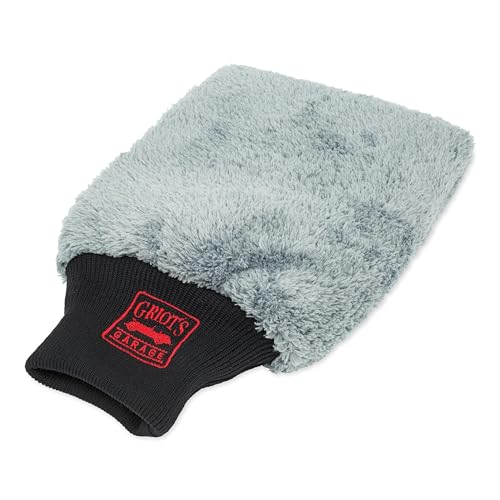
Best for: Small car washes and detail jobs
The Griot’s Garage Microfiber Car Wash Mitt is an 8-by-9-inch cleaning glove for interior and exterior vehicle care. Its microfiber blend has about 72 square inches of surface area, giving you more contact than a small detailing cloth. The material is soft and absorbent, so it can pick up dust, fingerprints, road grime, and residue from paint, trim, glass, chrome, plastic, vinyl, and leather. At around $8, it is an affordable addition to a basic car-care kit.
What sets this mitt apart is its flexible design. A foam-lined interior adds structure, while the elastic cuff helps keep the glove secure as you wash or wipe. The compact size should provide good control around mirrors, trim pieces, door panels, and other tight areas. It can work with foamy car washes outside or interior cleaners inside. The main compromise is coverage. An 8-by-9-inch mitt will take more passes on a large vehicle than a full-size wash mitt, but that smaller footprint can help with detail work.
Pros
- Microfiber blend gently cleans paint, glass, chrome, trim, plastic, vinyl, and leather.
- Foam-lined interior and elastic cuff help keep the mitt fitted during use.
- 72 square inches of cleaning surface offers useful coverage in a compact shape.
Cons
- The 8-by-9-inch size may feel slow for washing large vehicles.
- One mitt may not be enough for buyers who prefer separate tools for interior and exterior cleaning.
5. PuddleMe Premium Clay Mitt

Best for: Two-stage DIY paint decontamination
This two-pack includes a medium-grade synthetic clay mitt and a mesh-grade mitt glove. The medium option targets routine buildup on paint, glass, wheels, chrome, vinyl wraps, and PPF. The mesh version is made for tougher residue, such as overspray, tree sap, rail dust, and industrial fallout. Both require a suitable detailing lubricant, and the description does not list lubricant as included. At around $30, the set costs more than a basic clay bar but covers two levels of surface contamination.
The mitt design gives you more contact area per pass than a small clay bar. You also avoid kneading or reshaping the material during a job. PuddleMe claims the gloves can cut decontamination time by 30–50%, though actual results depend on the vehicle’s condition and your technique. The medium mitt fits regular maintenance, while the mesh grade makes more sense before polishing, waxing, ceramic coating, or PPF installation. Proper lubrication and light pressure remain essential, especially with the more aggressive mitt.
Pros
- Two grades cover routine and stubborn contamination.
- Synthetic mitts work across paint, glass, wheels, wraps, and PPF.
- Larger working surfaces may reduce passes versus a clay bar.
Cons
- Detailing lubricant is required and does not appear included.
- The mesh mitt needs careful pressure and lubrication to avoid surface marring.
4. Microfiber Car Wash Mitt, 2-Pack

Best for: DIY car owners washing weekly
This two-pack uses soft chenille microfiber with long, noodle-like fibers that collect dirt and hold wash solution. Each mitt has a five-finger shape and double-thick padding, so it works more like a glove than a flat sponge. The material should provide plenty of lubrication across painted panels, glass, chrome, plastic, and other exterior surfaces. At around $9, getting two mitts also lets you separate bodywork from dirtier areas.
The main advantage is water and soap retention. Dense microfiber can carry more suds than a basic sponge, which may reduce the need to reload your wash bucket. The mitts are reusable and machine washable, helping lower the cost of repeated washes. They suit cars, trucks, motorcycles, bicycles, RVs, and boats. You can also use them on windows, household surfaces, delicate finishes, or even for bathing a horse. Still, rinse each mitt often. Trapped grit can scratch paint if you keep wiping with a dirty surface.
Pros
- Two mitts support separate use for paint and dirtier areas.
- Five-finger design and thick padding improve grip and coverage.
- Machine-washable microfiber supports repeated cleaning jobs.
Cons
- The listing does not provide glove dimensions or a specific hand-size range.
- Microfiber noodles can hold grit, so frequent rinsing is necessary during a wash.
3. Microfiber Car Wash Mitt

Best for: Regular home car washing
This two-pack uses chenille microfiber with dense, soft noodles that collect dirt and hold plenty of soap and water. The five-finger shape gives you more control around mirrors, grilles, badges, and wheel spokes than a flat sponge. Double-thick padding adds cushioning for longer wash sessions. At around $9, the pair offers a low-cost way to keep one mitt for the upper body and another for dirtier areas.
The fibers are designed for paint, glass, chrome, plastic, and other exterior surfaces. They should help reduce the chance of swirls, but no wash mitt can prevent scratches if it picks up sand or grit. Rinse often and use separate buckets for cleaner results. After use, these gloves can go in the washing machine and return for repeated washes. Their broad use also covers trucks, motorcycles, bicycles, RVs, boats, windows, household surfaces, and even horse bathing. The five-finger layout may feel more precise during detail work, while the thick microfiber holds enough suds to reduce rubbing.
Pros
- Two reusable microfiber mitts provide good value for regular washing.
- Dense fibers hold more soap and water than a basic sponge.
- Five-finger construction helps clean tight areas and small exterior parts.
Cons
- The microfiber can trap grit, so frequent rinsing is necessary to protect paint.
- A fingered glove may feel slower than a standard mitt on large panels.
2. Chemical Guys Chenille Microfiber Wash Mitt

Best for: Routine hand washing of daily drivers
This single lime green mitt uses chenille microfiber noodles to lift and hold road dust, grit, and soap. The soft material is designed for painted panels, glass, chrome, and plastic, so one wash tool can cover most exterior surfaces. Its dense fibers hold more water and suds than a basic sponge, keeping lubrication around the paint as you move across each section. That helps reduce the dry, dragging feel that can create wash marks, though careful technique still matters.
An elastic cuff keeps the mitt in place and gives you better control around mirrors, grilles, and wheels. The reusable construction can go through the washing machine, making it more practical than a disposable sponge. At around $9, this single mitt is an inexpensive addition to a home wash setup. The lime green color is easy to spot in a bucket or detailing cart. Use a separate mitt for wheels to avoid transferring brake dust back onto paint.
Pros
- Dense chenille fibers hold plenty of soap and water for better lubrication.
- Soft microfiber is suitable for paint, glass, chrome, and plastic.
- Elastic cuff improves control, while machine washing allows repeated use.
Cons
- The package includes only one mitt, so wheels may require a separate wash tool.
- No physical mitt dimensions are listed, which may make fit uncertain for larger hands.
1. EPPCO Eco-Grip Disposable Nitrile Work Gloves

Best for: Mechanics and messy garden work
EPPCO Eco-Grip gloves are single-use nitrile gloves for automotive repairs, car detailing, gardening, cleaning, and similar jobs. This Medium box includes 100 gloves, giving buyers a substantial supply for around $20. The non-latex, powder-free material may suit people who avoid latex or dislike powder residue. Each glove measures 9 inches long and uses a 7 mil thickness, which is heavier than many thin disposable options.
The raised surface is the main selling point. It should provide more control when handling wet tools, oily parts, soil, or cleaning products. The thicker nitrile also offers more resistance to punctures and tears than lightweight food-service gloves, though it cannot replace reusable shop gloves for very rough work. EPPCO says the material breaks down faster than traditional nitrile, but these are still disposable products. Medium sizing may limit comfort for people with larger hands. The longer cuff also gives some coverage past the wrist, but it will not protect the forearm.
Pros
- Raised texture improves grip on wet or oily items.
- 7 mil nitrile offers more durability than thin disposable gloves.
- Non-latex and powder-free design can reduce common irritation concerns.
Cons
- Medium sizing may feel tight for larger hands.
- Disposable gloves create ongoing waste, even with the faster-breakdown claim.
Buying Guide
Fit is the most important factor when choosing gloves for car cleaning. A snug fit improves control around badges, grilles, and narrow gaps while reducing the chance of loose fabric dragging across paint.
- Size and fit: Measure your hand from wrist crease to fingertip, then choose a size with no more than 0.25 inches of extra length. Fingers should not bunch at the tips.
- Material and surface safety: Choose microfiber, chenille, or soft synthetic fibers for painted panels. Avoid exposed seams, rough mesh, and hard plastic parts that can catch dirt or leave marks.
- Cuff design: Look for elastic cuffs at least 2 inches long. A secure cuff keeps dirty water from running toward your wrist during bucket washing.
- Absorption and use: Pick a thick, absorbent mitt for exterior washing, or a thinner pair for dashboards and glass. Two-sided designs can handle more tasks with fewer swaps.
- Pack count and price: A two-pack usually offers better value, since one glove can stay clean for delicate areas. Expect to pay about $8 to $25 for reusable pairs.
If you can prioritize only one factor, choose the correct fit before material, features, or price.
Frequently Asked Questions
How do you choose car detailing gloves?
Choose car detailing gloves by matching their material, fit, cuff length, and intended cleaning task. For exterior washing, look for textured nitrile or rubber with a cuff of about 20 to 30 centimeters. For interiors, thinner microfiber or fabric gloves give better control around vents, buttons, and trim.
What materials are best for car cleaning gloves?
Nitrile-coated and microfiber gloves are the most useful options for many detailing jobs, but each suits a different task. Nitrile offers wet grip and chemical resistance, while microfiber holds dust and polish residue. Keep separate pairs for wheels and paint, since brake dust can scratch delicate surfaces.
Can you use household rubber gloves for detailing?
Yes, household rubber gloves can handle basic car cleaning, but they may lack the grip, flexibility, and paint-safe texture of detailing gloves. Choose a pair that reaches at least 25 centimeters up the forearm, and inspect it for grit before touching painted panels or glass.
Are reusable detailing gloves better than disposable ones?
Reusable detailing gloves are usually better for frequent cleaning because they create less waste and cost less over several jobs, provided you wash them properly. Rinse after each use, air-dry fully, and replace them when cracks, hardened coating, or trapped grit appears.
Conclusion
EPPCO Eco-Grip Disposable Nitrile Work Gloves are the top pick for DIY detailers who want a low-cost, clean pair for each job. If your priority is long-term value and repeated washing, choose reusable rubber or nitrile detailing gloves instead, because they create less waste over time. Before buying, double-check the size chart, material compatibility with your cleaners and skin, glove quantity, and current price, since listings can change. A spare box makes sense if you detail several vehicles each month, but avoid stocking up until the fit and cuff length feel right. A secure cuff and textured palm can make wet washing easier, while thinner gloves offer better finger control around trim.